



On 13 November, Pakistan’s President Asif Ali Zardari approved the country’s 27th constitutional amendment – a move seen as dismantling the last remnants of civilian rule in Pakistan.
The bill to amend the constitution was pushed through with extraordinary haste and little public discussion. It was approved by the cabinet on 8 November before being introduced to the upper house of parliament (the senate) on 10 November. On 12 November, the National Assembly ratified the amendment with a two-thirds majority amid noisy protests from opposition groups allied to Pakistan Tehreek-i-Insaf (PTI), the party led by the jailed former prime minister, Imran Khan.
The amendment comes hot on the heels of an equally contentious constitutional amendment passed in late 2024, which has fuelled fears there could be further amendments on the horizon.
New powers for the army – and the army chief
While Pakistan’s long-term trajectory is uncertain, the amendment has decisively shifted the dial in favour of authoritarian rule. Of particular concern are powers granted to the army. The bill formalizes the current form of ‘hybrid’ civil-military governance, in place since 2018.
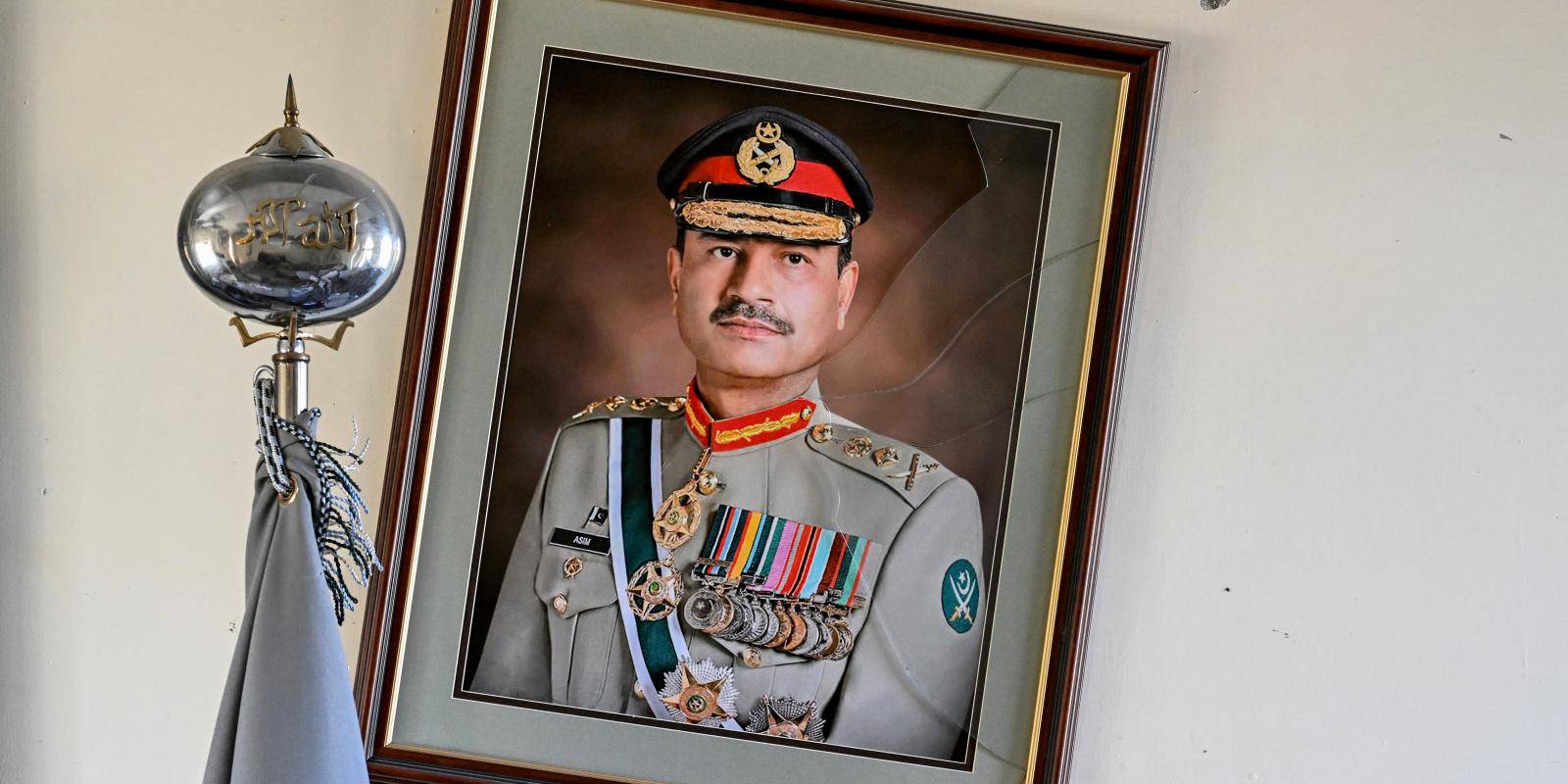
A key concern is the unprecedented powers given to the army chief – a position currently occupied by Field Marshal Asim Munir. The amendment creates a new constitutional post, chief of defence forces (CDF), which will be held concurrently by the army chief. In his new role, Munir will enjoy primacy over the heads of the air and naval forces – hitherto treated on par – and will exercise full command over the Strategic Plans Division, which manages Pakistan’s nuclear stockpile. This reorganization has been justified as necessary to modernize Pakistan’s command structure.
There are further professional and personal safeguards for Munir in the new amendment. The removal of the CDF requires a two-thirds parliamentary majority, while it only takes a simple majority to remove an elected prime minister. It also grants life-time immunity from prosecution to a five-star military officer – a rank currently held only by Munir, who was promoted soon after Pakistan’s short-lived conflict with India in May.
The new amendment allows his tenure as army chief – a post he has held since 2022 – to be reset as CDF for a period of five years until 2030. This means he will be in office long enough to oversee (and potentially influence) Pakistan’s 2029 general elections – and is well-placed to seek a greater leadership role should he choose.
Undermining the judiciary
The amendment also grants sweeping powers to the executive and legislature to control the judiciary – which could pre-empt any move to question the bill’s legality. It authorizes the creation of a Federal Constitutional Court with powers to override decisions by the Supreme Court. The composition of the new court is to be determined in the first instance by the president on the advice of the prime minister. Later appointments are left to a judicial commission, where judges will be in a minority and the executive and parliament are given a decisive say.
These new provisions have caused outrage. Two senior Supreme Court judges immediately announced their resignation, condemning the amendment as ‘a grave assault on the constitution’, which ‘strikes at the heart of Pakistan’s constitutional democracy’.
The legal fraternity, civil rights groups and opposition parties have also expressed dismay over the acquiescence of the ruling Pakistan Muslim League (Nawaz) and its ally, the Pakistan People’s Party (PPP), to cede civilian control. Their concerns have fuelled speculation that the amendment may have been secured in exchange for personal and political gains.
Under particular scrutiny are provisions that grant the president lifetime immunity from prosecution, which are said to have been included at the insistence of his PPP party to pre-empt charges being brought against him after he steps down in 2029. Zardari, who also served as president from 2008-13 and is barred from seeking a third term, faced corruption allegations in the 1990s but was never convicted. Reports also suggest that the ruling PML(N) may have agreed to the amendment only after securing guarantees from the military that ensured the tenure of its shaky government.
Regional tensions could escalate
Although political protests have so far been limited, further demonstrations and violence cannot be ruled out. Simmering public disquiet could also converge with and lend momentum to violent insurgencies in the border regions of Balochistan and Khyber-Pakhtunkhwa (KP). Both have witnessed a sharp escalation of militant violence from Baloch separatists and factions of the Pakistani Taliban (Tehreek-i-Taliban Pakistan – TTP), compounding fears that 2025 could be even deadlier than 2024. There are also speculations that a future 28th constitutional amendment would seek to re-organize Pakistan’s existing federal structure and restrict smaller provinces’ – such as Balochistan – share of federal revenues, which could risk further instability.
The amendment’s implications for regional tension are potentially very serious. Pakistan has persistently accused Afghanistan and India of encouraging cross-border militancy by the Taliban and assisting the activities of Baloch insurgents – with Munir lending his voice to these accusations.